
Millions of us will be glued to the TV for the World Cup final – Spain against Argentina, kicking off at 8pm on both BBC One and ITV1. It is exactly the sort of moment where the last thing you want is your picture freezing or the sound cutting out at the worst possible second.
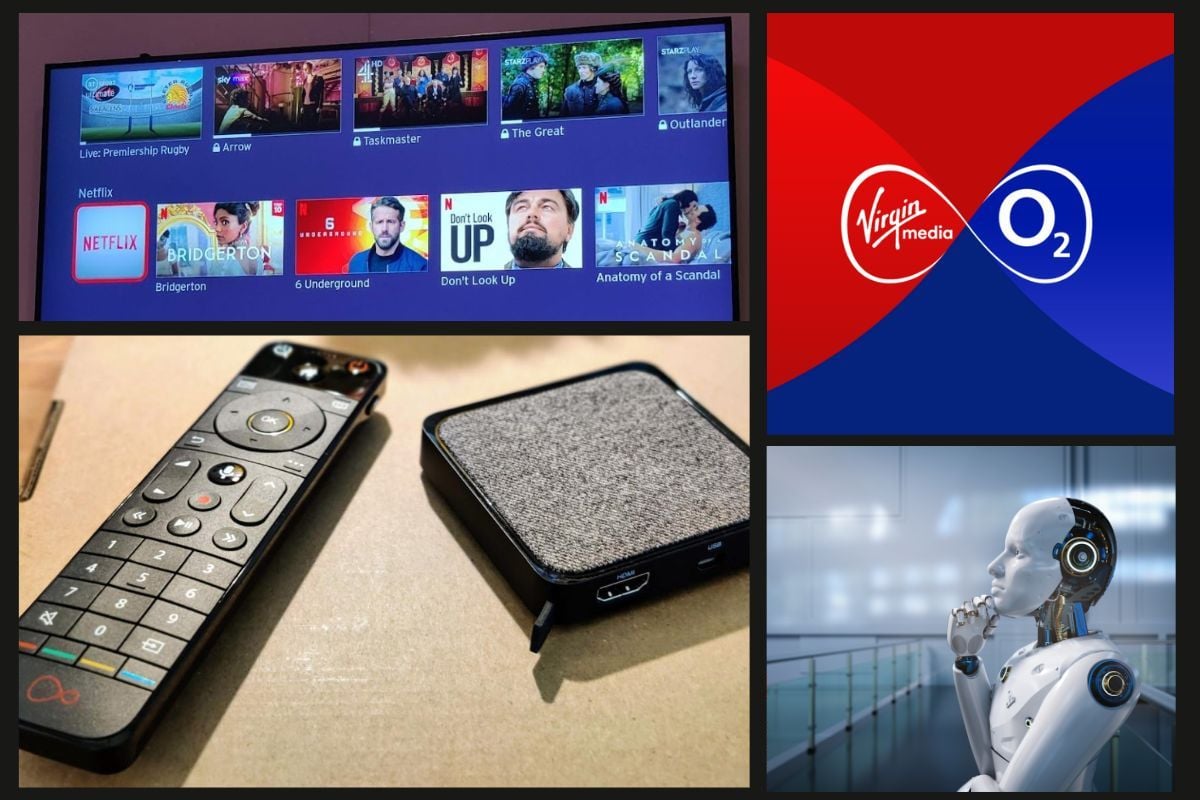
Virgin Media reckons it has that covered, and it has turned to robots to help.
The company has built its own AI robots to watch its TV network in real time, checking channels for any drop in quality and flagging problems to its engineers – in some cases, it says, before you have even noticed anything was wrong.
How The Robots Work
The idea is fairly simple. These automated robots watch TV services the same way you do, monitoring channels around the clock and looking for any sign that something has gone wrong with the video or audio – a frozen frame, a picture breaking up, sound dropping out, that sort of thing.

When they spot a problem, an alert goes straight to Virgin’s human monitoring teams, who can then investigate and put it right. The pitch is that this happens faster and more accurately than a person could manage while watching hundreds of channels at once.
According to Virgin, more than 220 channels are monitored this way, with the most-watched ones checked every six minutes.
Jeanie York, Virgin Media O2’s Chief Technology Officer, said the robots mean the company can “identify and address any service issues faster and more accurately than ever before, and in some cases before a customer even realises there was a problem.”
She tied it directly to nights like tonight: “Whether our customers are watching the big final on Sunday or other live sport, their favourite film or the season finale of their favourite programme, reliable TV makes these moments possible.”
Watching Everyone’s Channels, Not Just Its Own
Those 220-odd channels are not really Virgin’s own, because Virgin barely has any of its own. As David Bouchier, its Chief TV and Entertainment Officer, told us earlier this year, the company sees itself as a curator rather than a creator – it does not commission shows or buy sports rights, and instead gathers the best of what everyone else makes into one place.
So the robots are watching everyone’s output as it comes down Virgin’s pipes, BBC One and ITV1 included, which means tonight’s final is likely among the channels getting the every-six-minutes treatment.
For a service built on carrying other people’s channels rather than making its own, keeping all of them running cleanly is arguably the whole job.
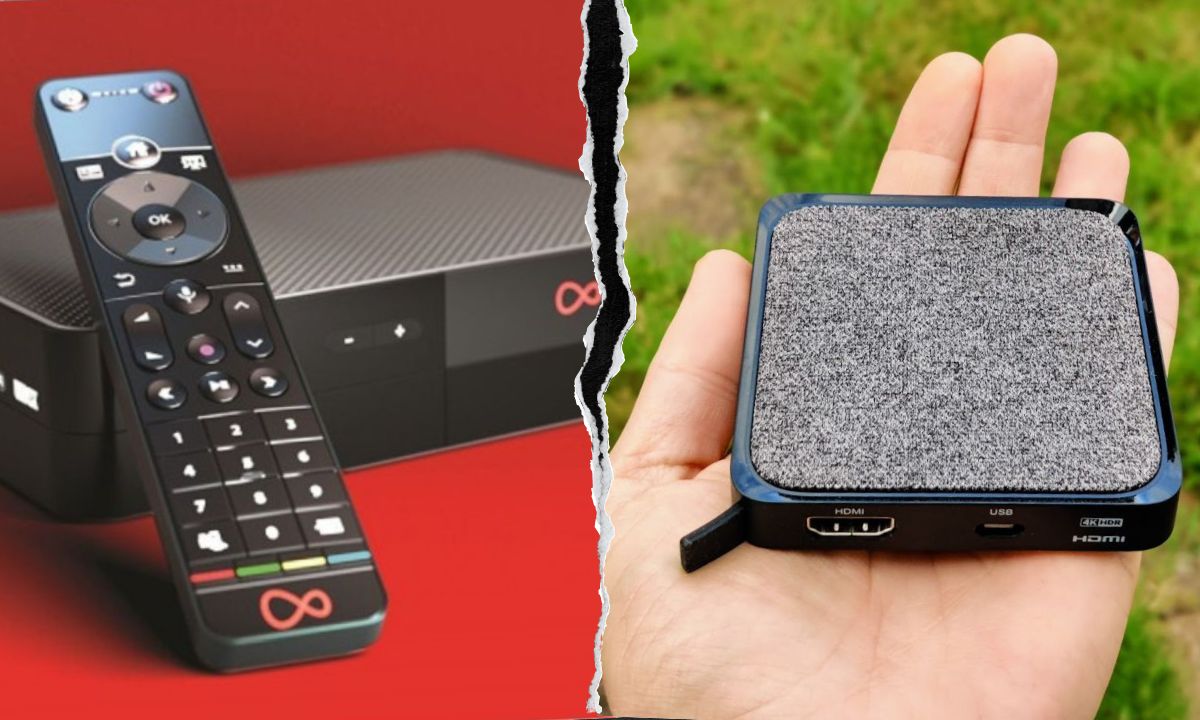
It also fits where Virgin has been heading. The channels being monitored are IPTV channels – television delivered over the internet rather than down an aerial or a traditional cable feed – and that is increasingly how Virgin operates.
Its broadband-only Stream box, which pipes live channels over your internet connection, is now the default for new customers. When your telly arrives over the internet, keeping a close eye on quality matters more, not less.
There Is A Limit To What It Can Fix
One thing worth being clear about: this only covers Virgin’s side of the chain. The robots are watching the signal as it passes through Virgin’s network and reaches your box, so a fault that crops up somewhere in that delivery is the kind of thing they are built to catch.
What they cannot do is fix a problem at the source. If the BBC or ITV’s own stream has a wobble before it ever reaches Virgin – a glitch at the broadcaster’s end, say, or an issue with the original feed from the stadium – then that is out of Virgin’s hands, and no amount of monitoring on Virgin’s side will change it.
The robots can flag that Virgin’s own delivery is clean; they cannot vouch for everyone upstream.
More To Come
Virgin says this is only the starting point. It is already looking at how the same AI approach could spot a wider range of faults and strengthen its monitoring further down the line.
For tonight, though, the aim is straightforward enough: make sure that whatever reaches Virgin’s network arrives on your screen in one piece, on the millions of boxes tuned in.
Want more TV and streaming news? Subscribe to our free newsletter.