

Three days into Black Friday, and Amazon is already cutting prices further on its Fire TV range. The reductions – particularly on their brand new model – suggest the company is extremely keen to get the “Select” streaming stick into as many homes as possible.
The Fire TV Stick 4K Select, which dropped to £23.99 on Tuesday, is now down to £19.99. That’s 60% off (!) a device that only launched last month at £49.99.
The standard Fire TV Stick 4K has also been reduced further, now sitting at £24.99 – down from £29.99 earlier this week (compared to its regular £59.99 price).
But whilst the 4K stick getting cheaper is nice, it’s the Select’s pricing that raises eyebrows. Amazon is practically giving away its newest streaming device, the first to run on the company’s brand new Vega operating system rather than Android.
And if you’ve got an old Fire TV stick lying around, there’s an additional trade-in discount that can bring the price down even further (see below).

At £19.99, Amazon is unlikely to be making money on the hardware. They’re barely covering manufacturing costs. So why the aggressive discounting on a device that’s barely six weeks old?
The answer may have everything to do with a Firestick that’s struggled to find its footing since launch – facing lukewarm reviews, developer hesitation, and getting caught up in the broader controversy around Amazon’s IPTV streaming crackdown.
What Makes The Select Different
The Fire TV 4K Select (see my review) is the first streaming stick to run on Amazon’s brand new Vega operating system. Every previous Fire TV device – the HD stick, the 4K stick, the 4K Max, the Cube – all run Fire OS, which is based on Android.
Vega OS ditches Android entirely. It’s built directly on Linux instead, which Amazon says allows for a leaner, more efficient system that needs less powerful (and cheaper) hardware to run smoothly.

That sounds great in theory. The problem? It means starting completely from scratch with apps. Because Vega OS is built on a totally different foundation, every single app needs to be completely rewritten to work on it.
The Netflix app that runs on your Android-based Fire TV Stick 4K won’t simply work on the Select – Netflix had to build an entirely new version specifically for Vega OS.
This isn’t just a compatibility issue that can be fixed with an update. These are completely incompatible platforms. It’s like asking a Windows program to run on a Mac – the underlying architecture is completely different.
For now, Amazon has implemented a clever workaround for apps that haven’t been ported to Vega OS yet: cloud app streaming. For select video streaming apps that don’t have native Vega versions, Amazon runs the Android app on their AWS cloud servers and streams the interface to your device – a bit like how Cloud Gaming works, but for streaming apps rather than games.
It’s technically impressive, and it does help fill the app gap. But there’s a catch: Amazon is only providing this service free to developers for “at least the first 9 months.” After that, they’ll start charging based on monthly active users.
What happens then? Do smaller streaming services decide it’s not worth the cost and pull their apps? Do they finally create native Vega versions? It’s genuinely unclear – and it’s another uncertainty hanging over the Select’s long-term app availability.
The Chicken and Egg Problem
And here’s where Amazon faces a massive challenge: developers won’t invest time and resources building Vega OS apps unless there’s a user base to justify the expense, but customers won’t buy a device with limited app availability.
At launch, the Select supported around 900 apps compared to over 30,000 on Android-based Fire TV devices.
All the major UK streaming services made the jump – BBC iPlayer, ITVX, Channel 4, 5, NOW, Netflix, Disney+ – which is actually quite impressive given there were zero Select customers when these companies had to decide whether to invest in Vega OS development.
But plenty of smaller services haven’t bothered. More significantly, VPN apps still aren’t available, despite both NordVPN and IPVanish confirming their apps have been ready for weeks, just waiting for Amazon to enable VPN protocol support in Vega OS.

From a developer’s perspective, why invest time and resources building a Vega OS version of your app when there are zero customers using the platform?
But from Amazon’s perspective, how do you convince customers to buy a device with a limited app selection?
The answer, it seems, is to make it so cheap that people buy it anyway – and hope that a rapidly growing userbase will convince developers to prioritise Vega OS development.
Sell the Select for £19.99, get hundreds of thousands of them into homes across the UK, and suddenly app developers have a strong commercial incentive to support the platform.
Of course, there’s another possible explanation for the aggressive pricing: the Select simply hasn’t sold well. The reviews haven’t exactly been glowing – including my own assessment that it’s “not ready for prime time” at £49.99.
When you’re launching a device with fewer features than your existing lineup at only £10 less than the better-equipped model, that’s a tough sell. Maybe Amazon discovered that consumers aren’t particularly interested in paying nearly full price to help test a new operating system with limited apps and missing features.
Slashing the price to £19.99 could just as easily be about shifting stock that’s not moving rather than some grand strategic vision.
The Trade-In Sweetener
But wait, there’s another discount – Amazon’s also offering an additional incentive: trade in any old Fire TV device and get 20% off your new purchase, plus a £3-£6 gift card (depending on the device you’re trading in).
That brings the Select down to £15.99 if you’ve got an ancient Fire TV stick gathering dust in a drawer somewhere, plus the gift card.
The trade-in programme isn’t just for Select, though – you can also use it for the standard 4K stick, or any of the other Fire TV models.
For anyone with an older-generation Fire TV Stick that’s become painfully slow, a trade-in is definitely something to consider.
The Fire TV IPTV Confusion
The past few weeks have created a perfect storm of confusion around Fire TV devices and what they can and can’t do.
First, Amazon launched the Select with Vega OS, which doesn’t support sideloading at all. You can only install apps from the Amazon Appstore – full stop.
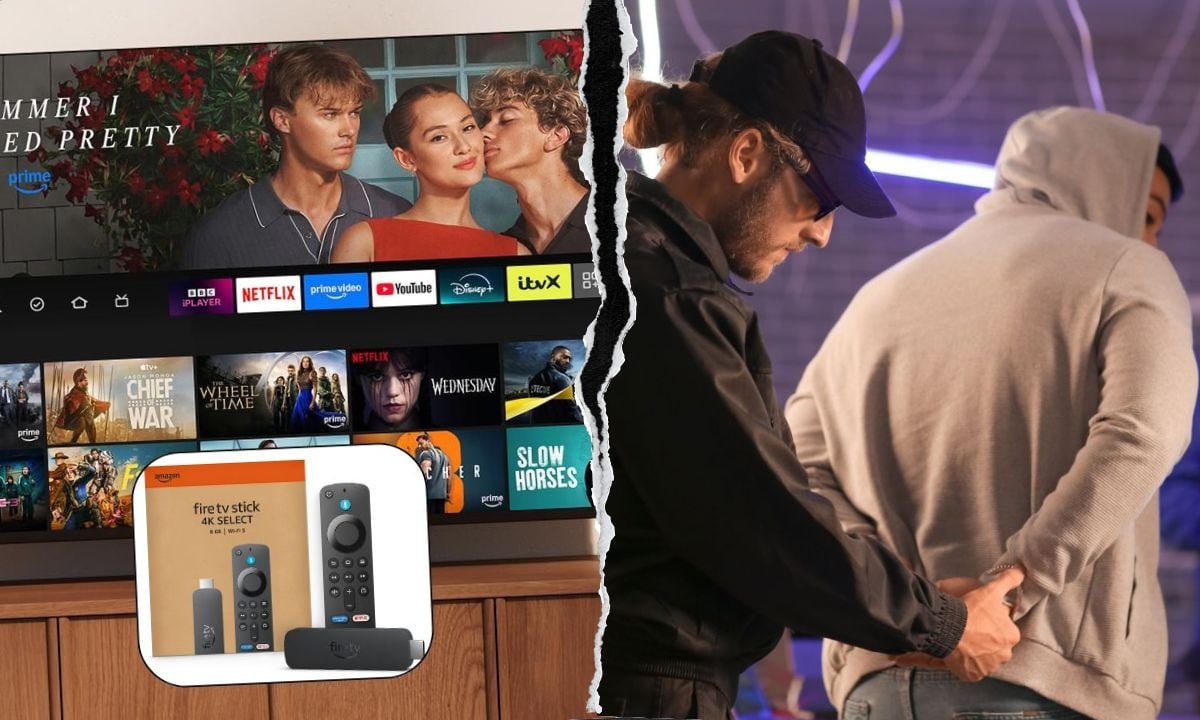
Then, just days later, Amazon announced they were partnering with the Alliance for Creativity and Entertainment to systematically block dodgy IPTV apps across ALL Fire TV devices, including the Android-based models.
The result? A widespread belief that Amazon has killed sideloading entirely across the Fire TV range, or that all Fire TV devices are now locked down like the Select.
Neither is true. The Android-based Fire TV Stick 4K and 4K Max still allow sideloading. Amazon is blocking specific apps identified as providing pirated content, but you can still install legitimate apps from outside the Appstore if you want to.
The Select’s limitations are architectural – Vega OS simply doesn’t support sideloading, period. The blocking on other devices is targeted at illegal streaming apps specifically.
But try explaining that distinction to someone who’s just heard “Amazon is blocking apps on Fire TV sticks” and “the new Fire TV stick doesn’t allow sideloading.” To casual observers, it all blurs together into “Amazon has locked down Fire TV.”
Should Amazon Even Care?
Here’s where things get interesting from a PR perspective: if all this confusion is specifically about illegal streaming apps, does Amazon actually mind?
For years, the Fire TV Stick’s reputation has been tarnished by the “dodgy Firestick” phenomenon. Modified devices sold on Facebook Marketplace, loaded with illegal IPTV apps, often advertised as “fully loaded” or “jailbroken.”
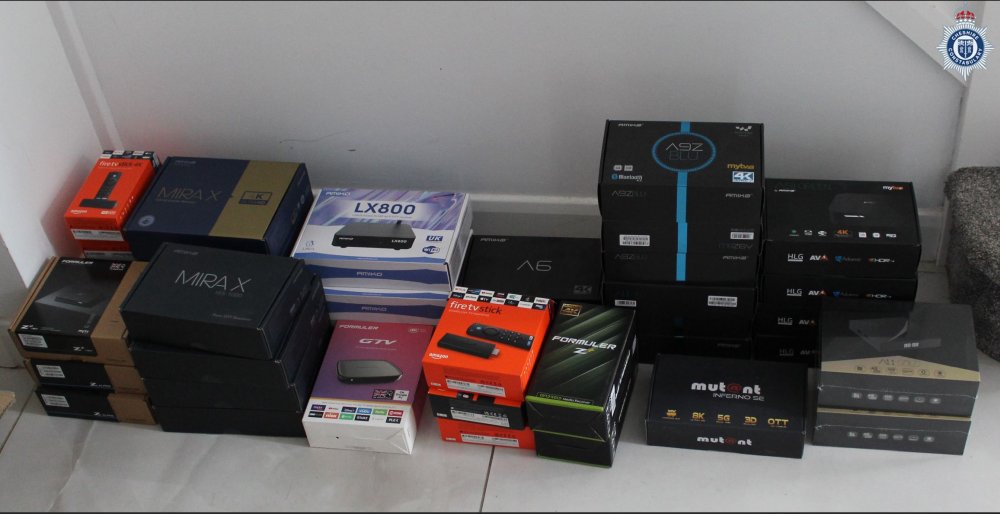
Sky claimed earlier this year that Fire TV Sticks account for roughly half of all Premier League piracy in the UK. Football fans were literally chanting “we’ve got our Fire Sticks” at matches.
That’s not the brand association Amazon wants for its flagship streaming device.
So if some people believe Fire TV sticks no longer support illegal IPTV streaming – even if that’s not technically accurate for the Android-based models – is that really a problem Amazon needs to correct?
The legitimate users who want to sideload Kodi or alternative media players will figure out that the Android-based sticks still work fine. The people confused about the restrictions were probably never Amazon’s target customers anyway.
The “Amazon Will Lose Millions” Argument
There’s been plenty of outrage online from people claiming Amazon will lose millions in sales because they’ve “killed” Fire TV for IPTV use.
But here’s the thing: Amazon was never making money from those customers anyway.
Streaming devices are typically sold at or near cost, especially during sales. Amazon makes money by selling you Prime subscriptions, renting you films through Prime Video, showing you sponsored content on the home screen, and keeping you within the Amazon ecosystem.
If you’re buying a Fire TV Stick solely to install illegal IPTV apps – never subscribing to Prime, never renting films, possibly even blocking ads through custom launchers – Amazon isn’t earning anything from you.
They’re subsidising hardware for a customer who provides zero ongoing revenue. That’s not a customer Amazon particularly wants.
For everyone else – the vast majority of Fire TV users who watch Netflix, iPlayer, Disney+, and other legitimate services – absolutely nothing has changed.
The Fire TV 4K Remains the Sensible Choice
All that being said – the standard Fire TV Stick 4K (see my review) has also dropped further in price, now £24.99 down from £29.99 earlier this week.
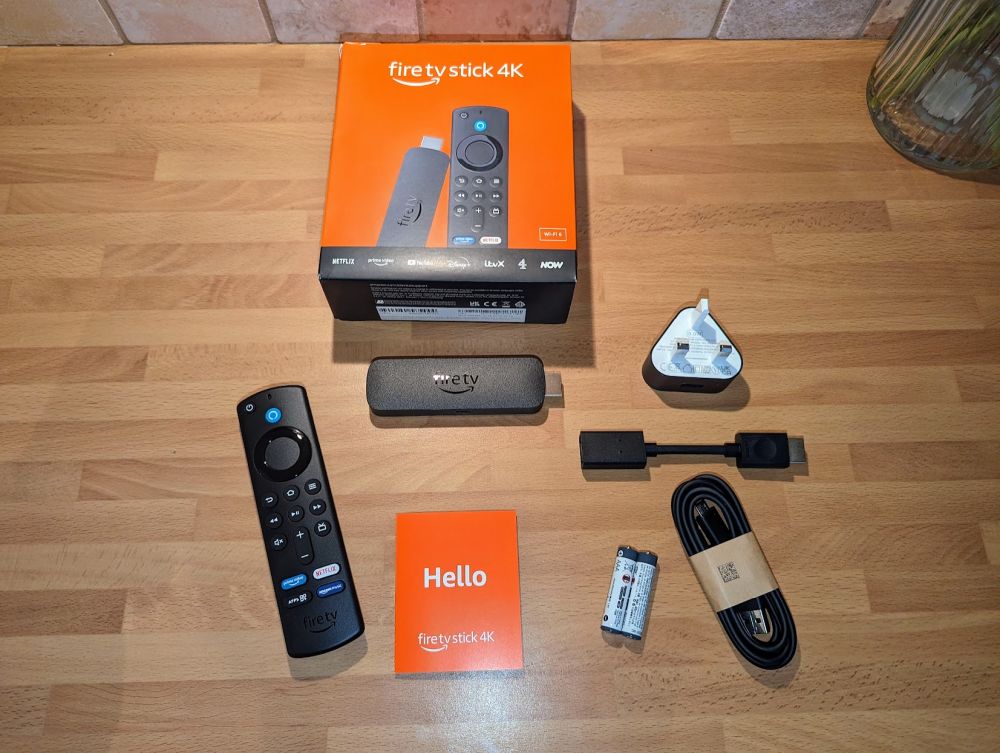
That’s still the stick I’d recommend for most people. For just £5 more than the Select, you get:
- Dolby Vision and Dolby Atmos support (the Select only has HDR10+)
- WiFi 6 instead of WiFi 5
- 2GB of RAM instead of 1GB
- Access to over 30,000 apps instead of 900
- VPN support right now, not “coming soon”
- The ability to sideload legitimate apps if needed
The Select might be cheaper, but the 4K stick is significantly more capable. That £5 difference buys you a lot.
When The Select Makes Sense
And yet, at £19.99 – or £15.99 with trade-in – the Select becomes much easier to justify in specific scenarios.
If you’re looking for a second or third streaming stick for a guest bedroom or kitchen TV, and you know you’ll only ever use the major streaming services, the Select is perfectly adequate.

If you’re buying for someone who’s never owned a streaming device and just wants to watch BBC iPlayer and Netflix in 4K, they’re not going to miss the apps that aren’t there.
If you’ve got an ancient Fire TV device that’s become painfully slow and you can trade it in, £15.99 for a brand new 4K streaming stick is still excellent value, limitations and all.
The Select works well for what it does. It’s fast, responsive, and delivers excellent 4K picture quality. The interface looks identical to other Fire TV devices. For casual streaming of mainstream services, you’d be hard-pressed to notice any difference.
You just need to understand what you’re giving up – and at this price, those trade-offs become much more palatable.
The Rest of Amazon’s Black Friday Fire TV Deals
The Select and the 4K stick aren’t the only Fire TV devices on sale. Here’s what else is currently discounted:
Fire TV Stick 4K Max (2nd Gen) – £39.99 (Was £69.99)
The flagship streaming stick (see my review) remains at £39.99, matching the price we saw back in October.
That’s still excellent value for the most powerful Fire TV stick available. You get the fastest processor in the range, WiFi 6E support, 16GB of storage instead of 8GB, and the Enhanced Alexa Voice Remote with Recent and Settings buttons.
For anyone who wants the absolute best stick streaming experience, this is it – but it’s harder to justify when it’s £15 over the standard 4K.
Fire TV Cube (3rd Gen) – £109.99 (Was £139.99)
The premium Fire TV Cube (see my review) is holding steady at £109.99.
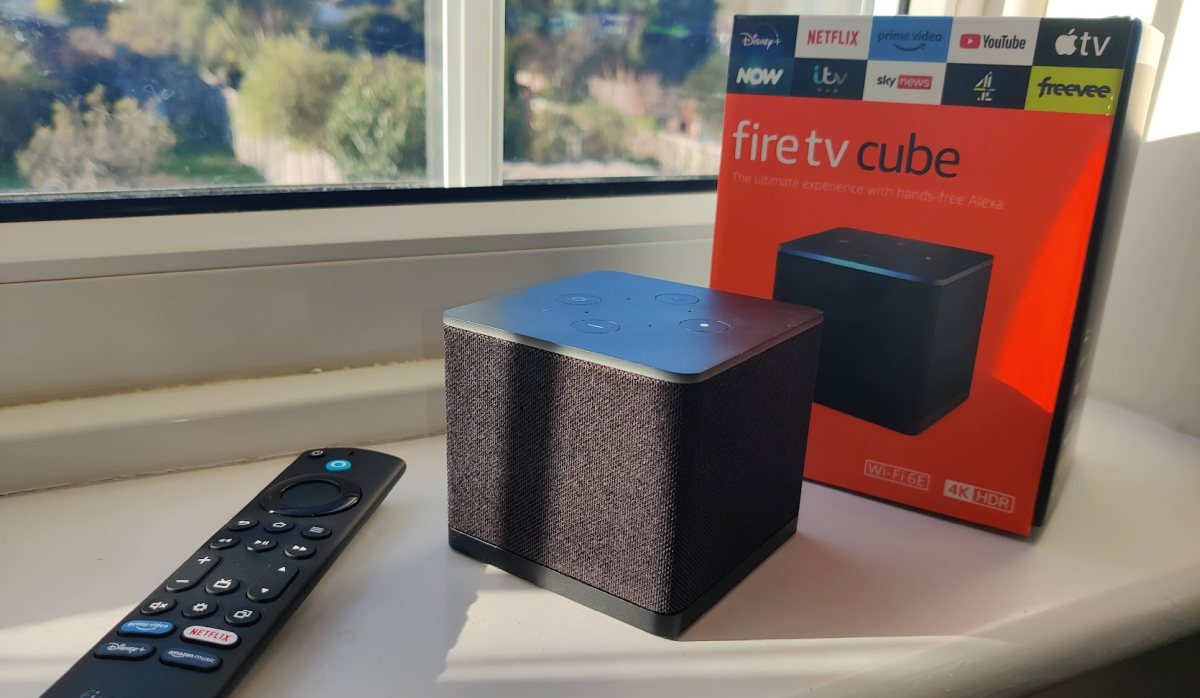
The Cube combines high-end streaming with Echo speaker functionality and hands-free Alexa control. It’s the most powerful Fire TV device available, though it launched back in 2022 so it’s getting a bit long in the tooth.
Alexa Voice Remote Pro – £19.99 (Was £34.99)
The premium remote (see my review) has also joined the sale, dropping to £19.99 from £34.99.
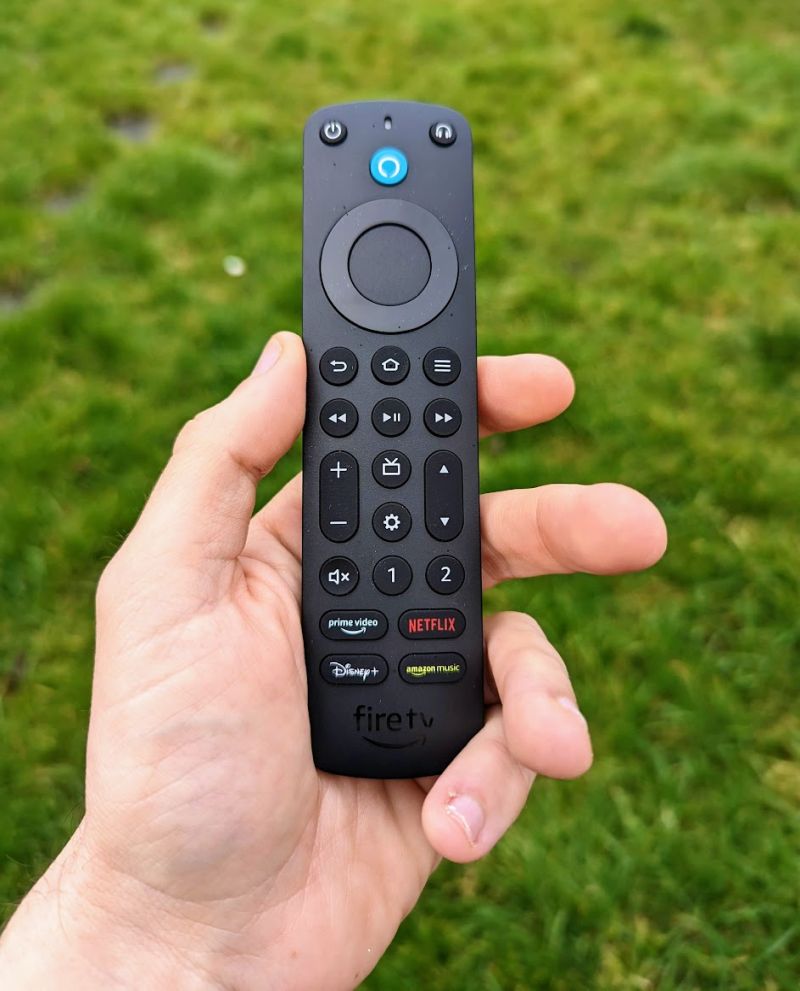
The Remote Pro adds backlit buttons for watching in the dark, a remote finder that helps locate it when it’s lost down the sofa, and two programmable preset buttons you can customise for favourite apps.
It works with any Fire TV device, so if you’ve already got a stick and want to upgrade your remote experience, this is solid value at twenty quid.
Fire TV Soundbar Plus – £149.99 (Was £249.99)
The Fire TV Soundbar Plus (see my review) has dropped to £149.99, down from £169.99 in October’s sale.
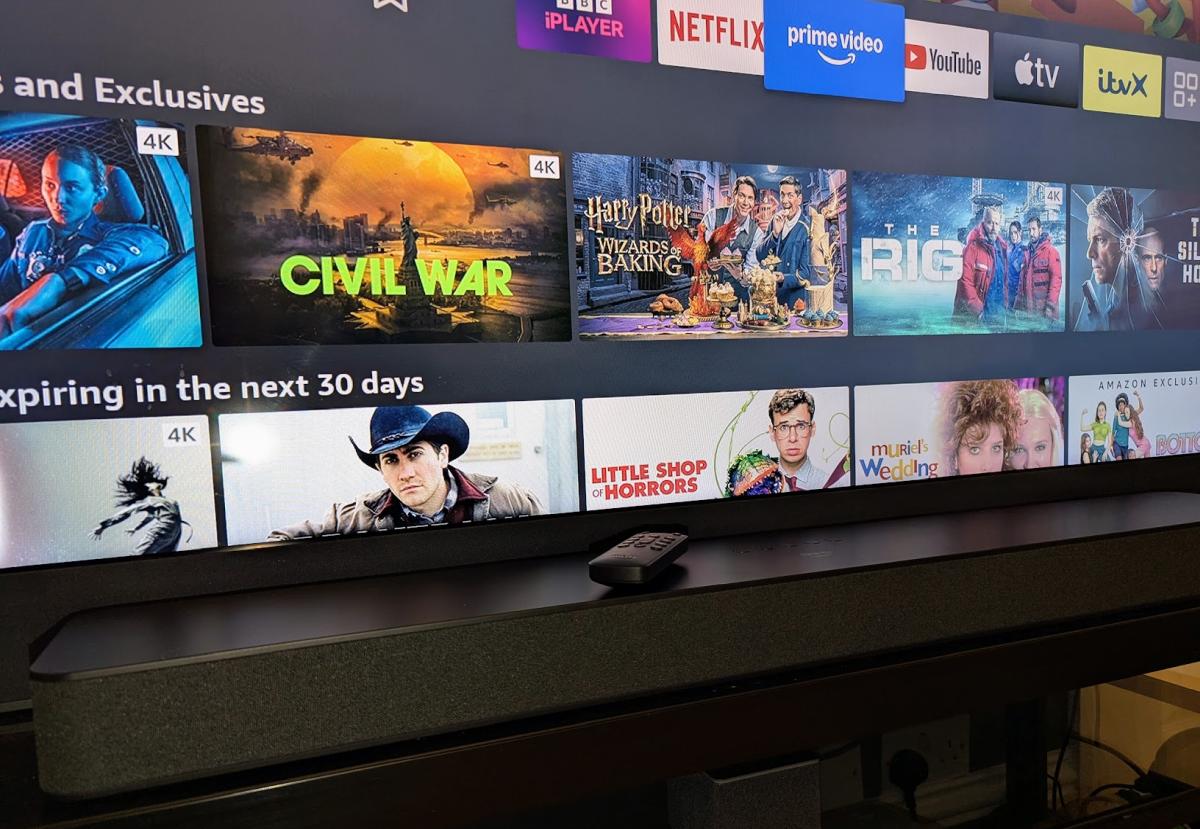
This is purely a soundbar – despite the branding, there’s no streaming functionality built in. But it delivers impressive sound quality for the price, with particularly strong bass and a dialogue enhancer that actually works.
What About The HD Stick?
The Fire TV Stick HD remains at full price – £39.99 – just as it did in our last update. In October it dropped to £19.99, which was brilliant value for anyone with a non-4K TV.
But Amazon is clearly positioning the Select as the budget option now, offering 4K streaming for less than the HD stick currently costs.
The Bottom Line
At £19.99, the Fire TV Stick 4K Select represents extraordinary value for money – as long as you understand what you’re getting.
It’s a perfectly capable 4K streaming device that works well with all the major UK services.
But it’s also a device running a brand new operating system with a limited app selection, no VPN support yet, and an uncertain future regarding which services will actually be available in six or twelve months’ time.
Amazon is clearly very eager to build a Vega OS userbase, and they’re willing to subsidise the hardware heavily to make it happen.
Whether that gamble pays off depends on how quickly developers embrace the platform – and that depends on how many Selects Amazon can shift at these prices.
For most people, the Fire TV Stick 4K at £24.99 is still the smarter choice. It’s only £5 more, and you get significantly better hardware with none of the question marks.
But if you’re after a cheap second stick, or you’re buying for someone who’ll only ever use mainstream services, or you’ve got an old device to trade in, the Select at £19.99 – or £15.99 with trade-in – is hard to argue with.
- Also see: Amazon Fire TV Specs Compared
For more TV and streaming news, Join our free newsletter.
You’ve managed to finally help me figure out why FireTVs are so cheap compared to the AppleTV (genuinely hadn’t put 2+2 together before reading your bit about folks who use the dodgy FIreTVs. Of course, Amazon have a huge amount of data about you from your use of the FireTV, they can both sell that on to advertisers and, use it to flog you more stuff. Whereas, Apple, other than their kit, don’t really sell anything and don’t tend to sell your data on to others to flog you stuff, so, no way of subsidising their hardware. Can’t believe it took me so long to figure it out LOL.. But thank you for helping this old codger figure it out. 😀